Toll processing
We process. You own the beef.
Toll processing means we never take title. Your cattle arrive as your cattle and leave as your boxed product — we're paid for the work, not the animals.
The relationship
A straightforward split of responsibilities
The toll model works because the boundaries are clear from the first load. Here is how the work divides.
What you supply
- Cattle delivered on the scheduled harvest date
- Cut sheet and trim specifications
- Packaging and labeling requirements, including any branded film or labels
- Outbound freight, or a pickup window for staged product
- Program documentation if you run source-verified or branded beef
What we provide
- Humane receiving, holding, and harvest under continuous USDA inspection
- Spray-chill and carcass coolers with controlled, documented chill curves (chill only — aging is not provided)
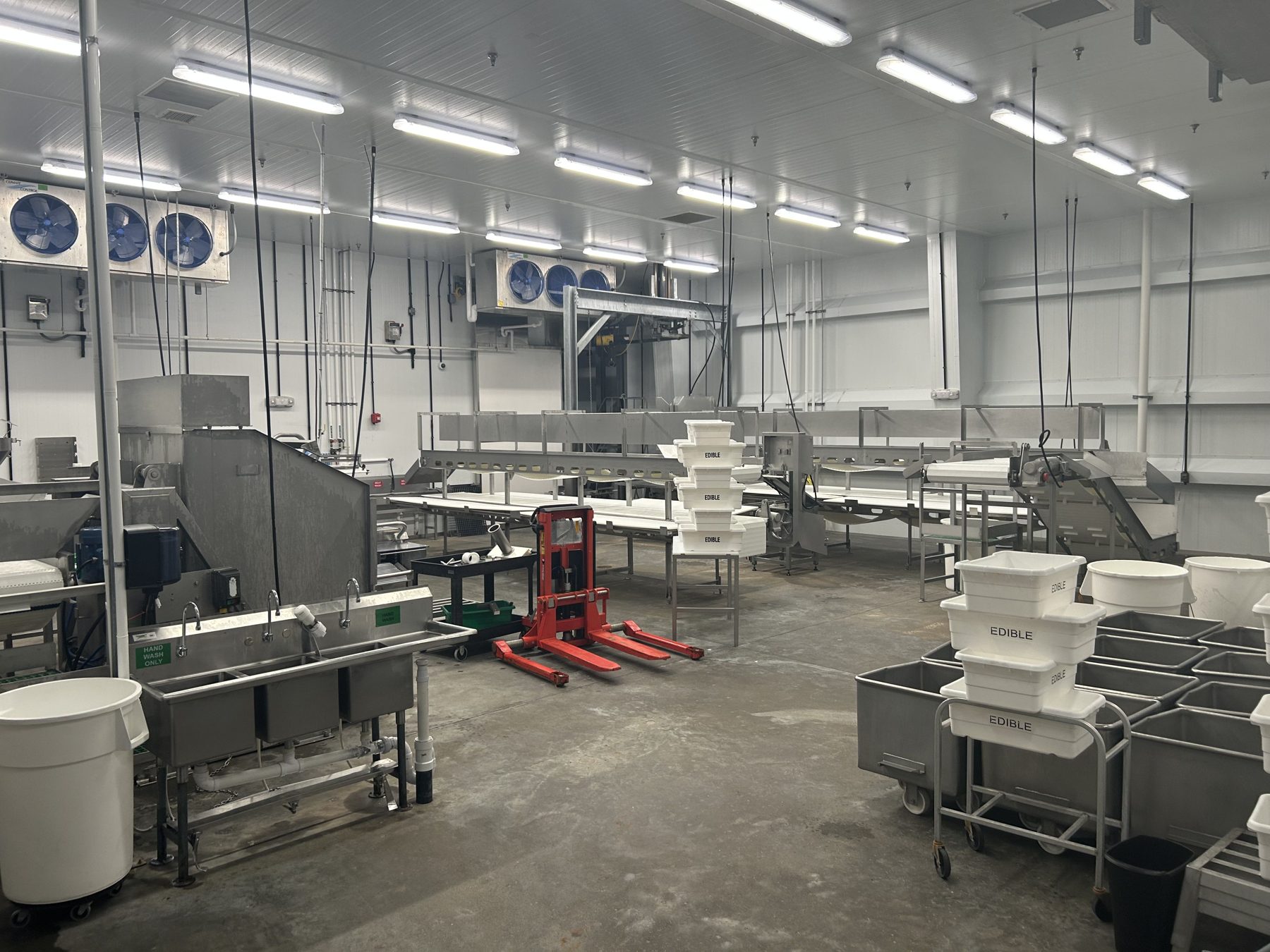
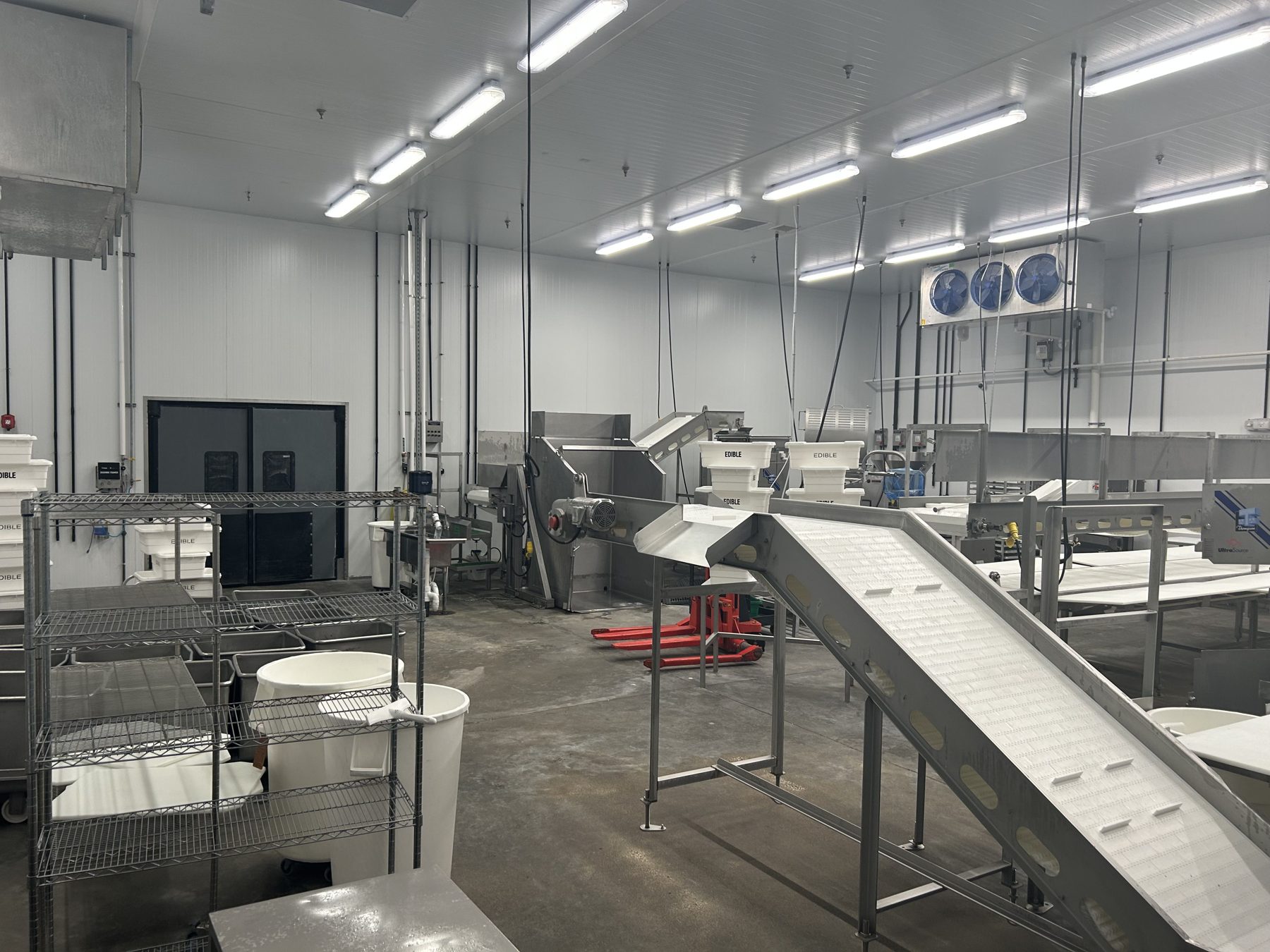
- Fabrication, portioning, and grinding to your cut sheet
- Vacuum packaging, labeling, and boxing
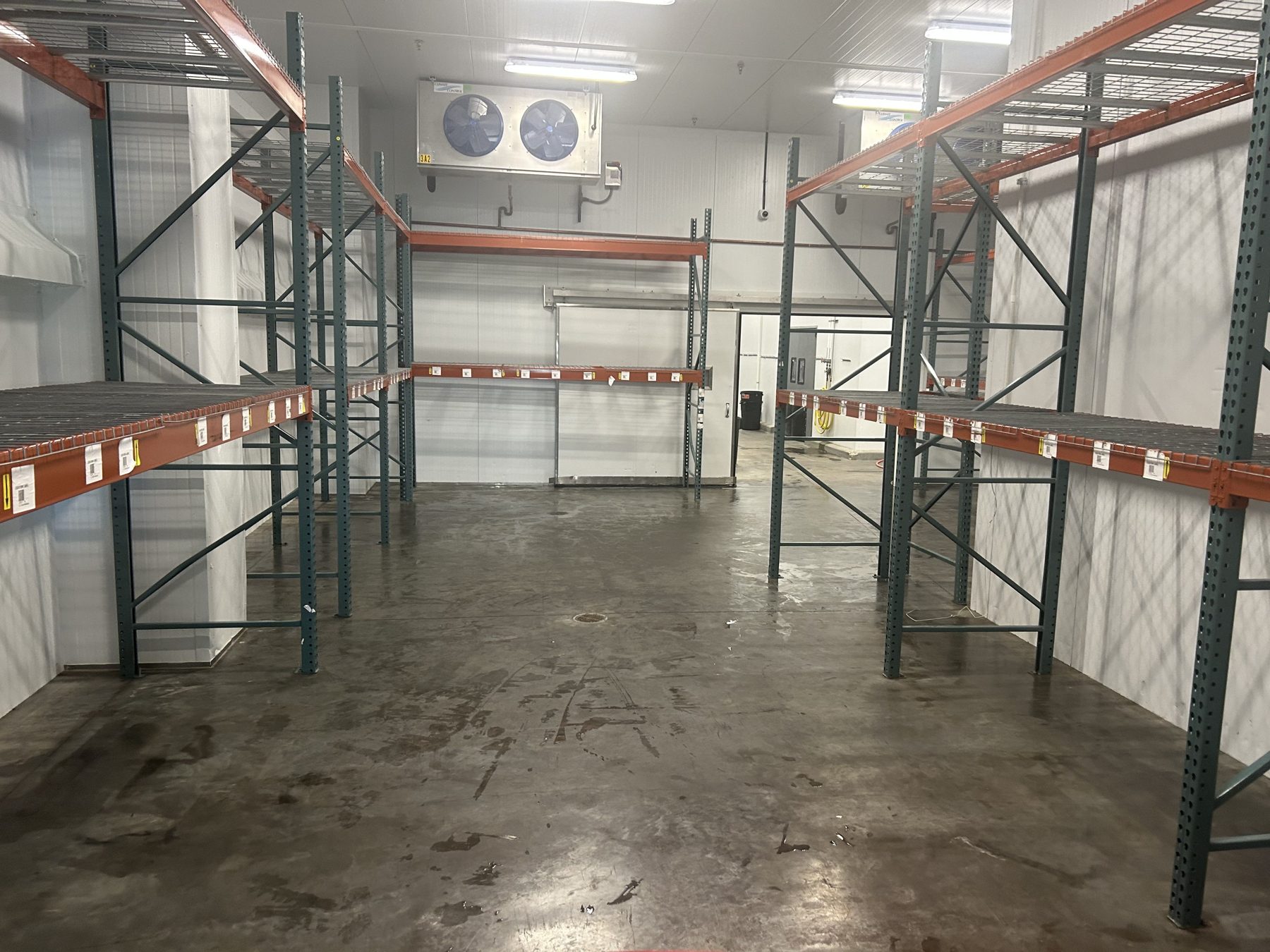
- Cold storage and staged load-out from two refrigerated docks
- Hot and cold carcass weights with per-lot yield reporting
Packaging
Vacuum sealed, labeled, and boxed to spec
Subprimals are vacuum packaged and boxed for cold chain distribution. Portion cuts, grinds in chub or bulk, and customer-supplied labeling are all workable — tell us the format and we'll confirm it against our lines.
Cold storage & load-out
Product stays cold until it's on your trailer
Finished boxes stage in the box cooler and ship from two refrigerated docks. Short-term storage between fabrication and pickup is part of the service, so you're not forced to move product the same day.
Onboarding
From first conversation to standing schedule
New customers typically move through four steps. Most of the timeline depends on how quickly specifications get settled.
1. Scope the work
Send head counts, cadence, cut sheet, and packaging needs. We confirm what the plant can absorb and where your lot fits in the schedule.
2. Agreement and specs
We finalize the toll agreement — per head for harvest, per pound for fabrication — and lock the cut sheet, labeling, and yield reporting format.
3. Trial run
Most customers start with a smaller lot so both sides can confirm yields, cutting accuracy, and packaging before scaling up.
4. Standing schedule
Once the specs hold, we move to recurring harvest dates with a predictable delivery and load-out rhythm.
Food safety & quality
Inspected, documented, verified
The plant operates under USDA inspection with a written HACCP plan, sanitation SOPs, and a daily pre-operational inspection before any product moves.
- HACCP plan with monitored critical control points and retained records
- Daily sanitation and pre-operational verification of every room
- Microbiological sampling and temperature monitoring through chill and storage
- Lot separation and label control so identity holds from live animal to box
Ready to talk capacity?
Send your head counts, cadence, and cut sheet. We'll come back with harvest dates and a scope covering fabrication, packaging, and load-out.
Request capacity